November Was…

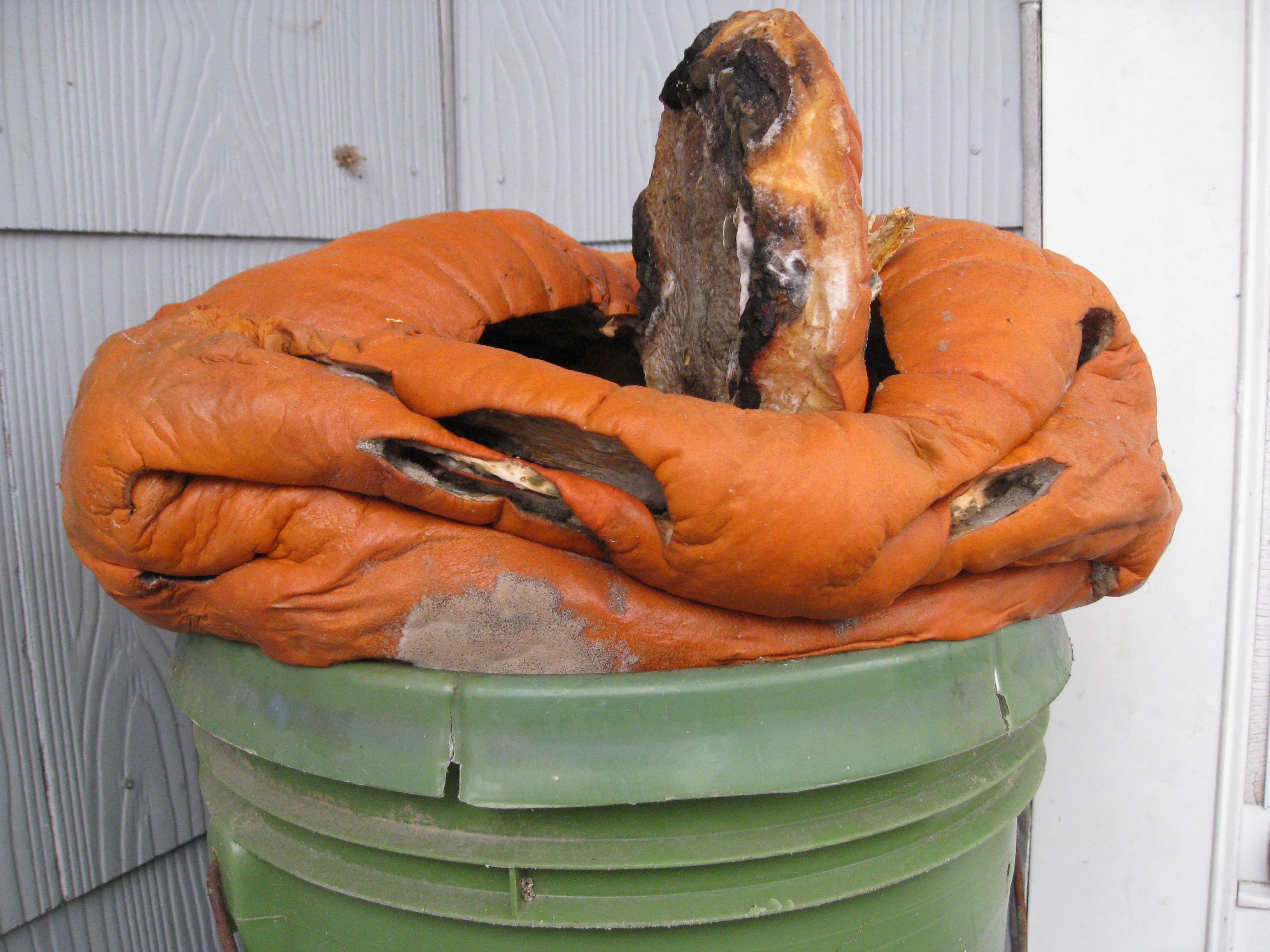
Death of Spuke
November was an amazing election, the slow death of Spuke, an incredible Thanksgiving meal, a few birthdays missed, more houses than I care to admit to seeing, more paperwork than I care to admit to reading, and last but not least, a little bit of music (Sean!). We didn’t get the house and I had to take a few days to get over that…even though I wasn’t 100% in love with the house. How weird is that? Ah well.

For books read, here’s the list:

  • Behind the Scenes at the Museum by Kate Atkinson ~ I went back and forth about this book…almost as much as the plot did.
  • The Darling by Russell Banks ~ Loved, loved, loved this book – full of suspense and great characters.
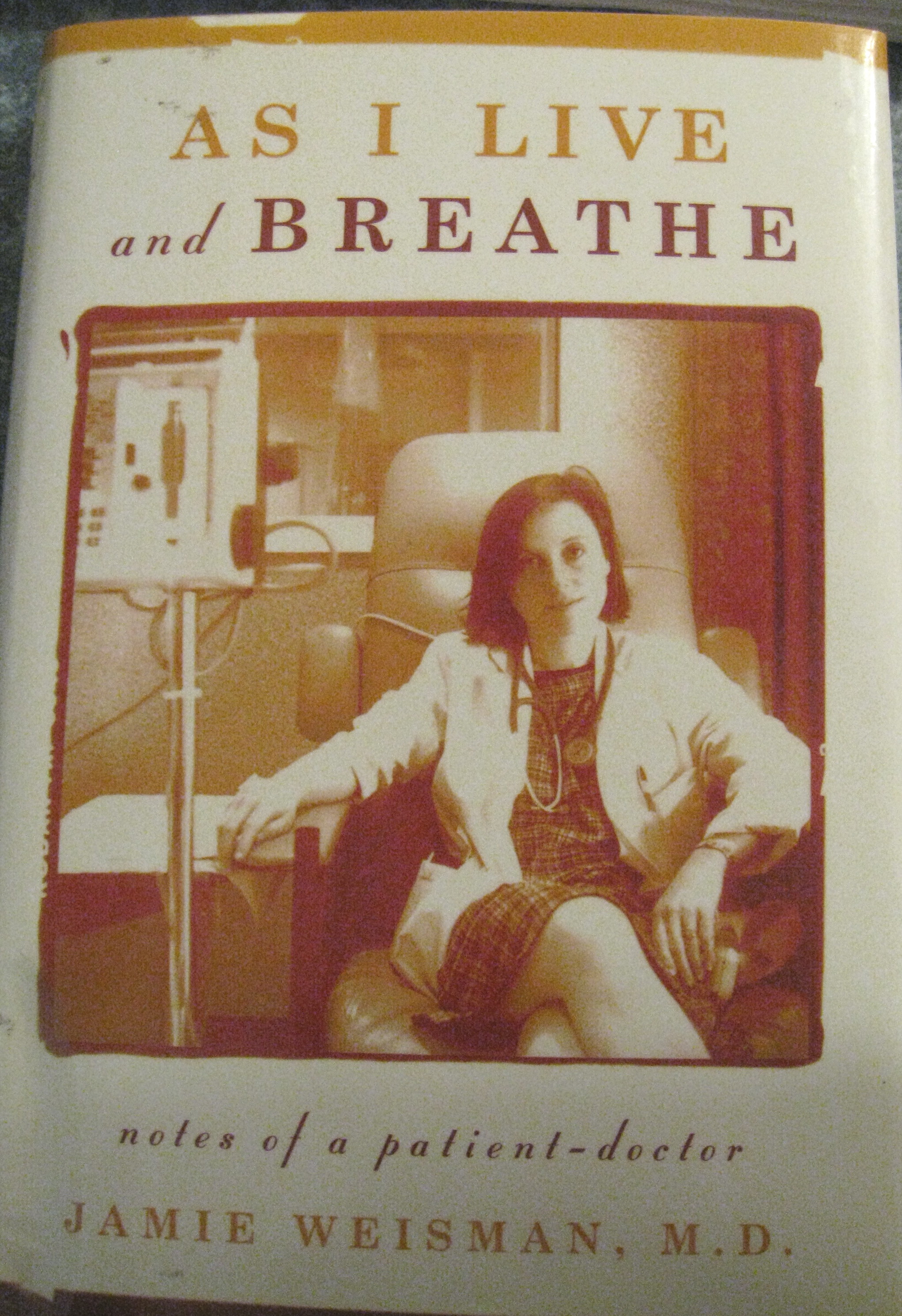
  • As I Live & Breathe: notes of a patient-doctor by Jamie Weisman ~ read this in one day!
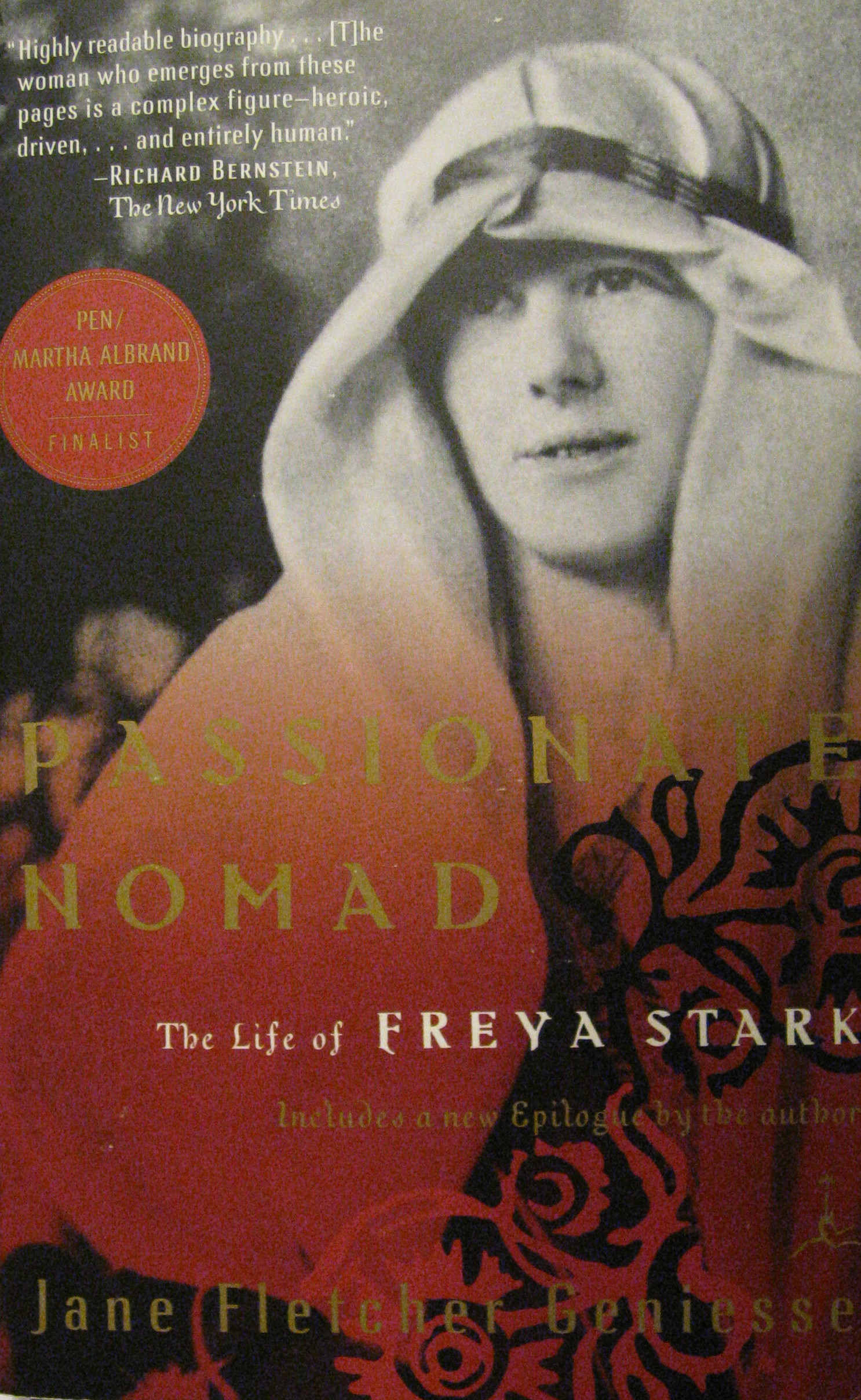
  • Passionate Nomad: The Life of Freya Stark by Jane Fletcher Geniesse ~ such an amazing biography!
  • A Continent for the Taking: the Tragedy and Hope of Africa by Howard French ~ Very similar to The Darling. Same time period, same “characters” and events.
  • Best Essays of the Century edited by Joyce Carol Oates ~ while I only read a sampling of essays they were all good.
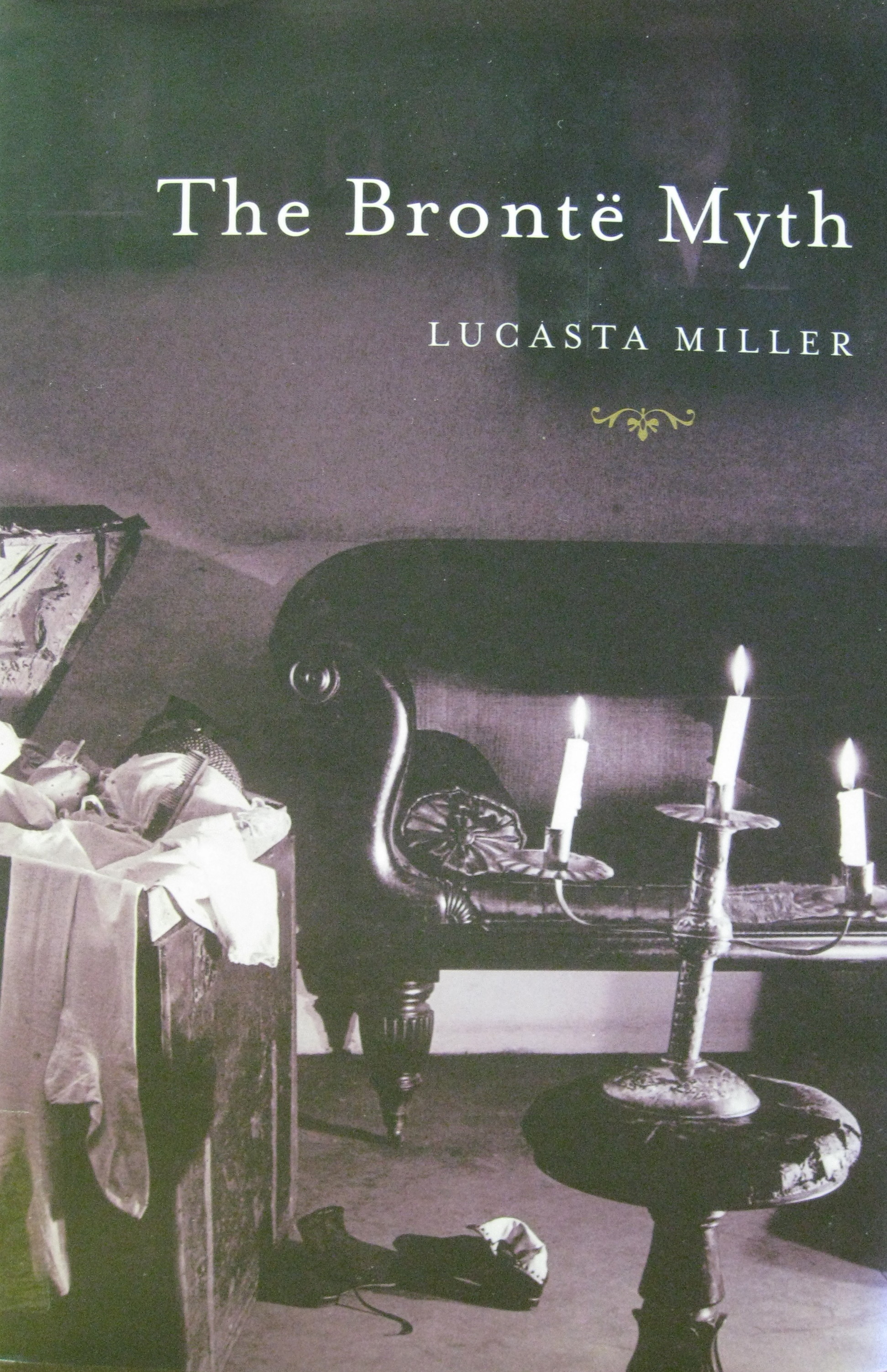
  • The Bronte Myth by Lucasta Miller ~dry and long.

For the Early Review Program (yay!):

  • Beyond Belief: Finding the Strength to Come Back by Josh Hamilton ~ really fast but amazingly good read.

For fun:

  • Bridge to Terabithia by Katherine Paterson ~ a great story from my childhood about friendship. This was on my challenge list. I just decided to read it out of order one day.

Nine books…sort of. I’ll have a confession for next month 😉
Beyond Belief

Hamilton, Josh. Beyond Belief: Finding the Strength to Come Back. New York: Faith Words, 2008.

Do not expect Beyond Belief  to be eloquent or a great literary masterpiece. It is what it is – a straightforward, simple, eyt heartfelt account of one athlete’s fall from grace and subsequent redemption through religion. Drafted right out of high school and given a salary of 3.96 million, one can hardly anticipate fancy prose from Josh Hamilton. Instead, what lies in the 257 pages (with help from ESPN senior writer Tim Keown) is a humble account of his life as an athlete, drug addict, and finally, a man of faith.

Here are the lines I hope they keep, “in the vicious cycle of drug use, crack is the endgame. It eats you up from the inside out” (p 149), and “I understand that, and I expect that. My past invites that” (p225).

Bronte Myth

Bronte mythMiller, Lucasta. The Bronte Myth. New York: Alfred A. Knopf, 2004.

In honor of British Literature month I added The Bronte Myth to November’s reading list. From the very beginning I was intrigued about this book; Much like how the Bronte sisters themselves invited an aura of intrigue from the moment they emerged on the literary scene. When they first began writing they, like any other authors out there, wanted desperately to be taken seriously. In an era where women couldn’t so much as travel alone the three sisters took on androgynous pseudonyms to in an attempt to hide their gender. Only these pseudonyms attracted too much attention once the sisters started to publish. The more they tried to hide their identities the more reviewers, critics, and the general public started to speculate on who they really were, not as authors, but as members of their society. Following the speculation came accusations and wild rumors -created to fill in the gaps of each sister’s true personality. Lucasta Miller attempts to unravel the mystery and kill the myths that surrounds the Bronte women. While Miller does an extremely thorough job I found the reading to be both dense and dry as a result.

Passage that made me think: “…Gaskell’s belief that though Currer Bell might be morbid, Miss Bronte was the soul of feminine delicacy” (p 59).

BookLust Twist: From More Book Lust in the chapter, “Literary Lives: the Brits” (p 146).

ps~ sorry about the huge-ness of the pic. It’s just such a beautiful cover that I couldn’t bear to shrink it!

Best American Essays

Oates, Joyce Carol, ed. The Best American Essays of the Century. Boston: Houghton Mifflin, 2000.

As bloggers we cannot help but be reminded that November is National Novel Writing Month. It’s as if there a reminding hope that writing these one-three paragraph diatribes could somehow be transformed into something as concrete, or as interesting, as a full blown novel. I squirm with discomfort every time someone says I should write a book. While my stories are interesting…to a point, I don’t see a need to make them more than what they are: tiny bubbles of thought designed to pop (and ultimately, hopefully) go away when released.

Anyway. This isn’t about me and my nonability to write. This is about the complilation of essays from those who can.
Best American Essays of the Century wraps up the creme de la creme of essay writing from 1901 – 1997. Beginning with Mark Twain (“Corn-pone Opinions”) and ending with Saul Bellow (“Graven Images.”) As part of the Book Lust Challenge I read the following essays:

  • “Stickeen” by John Muir ~ “…for many of Nature’s finest lessons are to be found in her storms” (p 32).
  • “Corn-pone Opinions” by Mark Twain ~ “We are creatures of outside influence; as a rule we do not think, we only imitate” (p 1).
  • “A Law of Acceleration” by Henry Adams
  • “The Devil Baby at Hull-House” by Jane Adams
  • “The Crack-up” by F. Scott Fitzgerald ~ Life was something you dominated if you were any good” (p 139).
  • “The Ethics of Living Jim Crow: an Autobiographical Sketch” by Richard Wright
  • “Sex Ex Machina” by James Thurber ~ “Every person carries in his consciousness the old scar, or the fresh wound of some harrowing misadventure with a contraption of some sort” (p 157).
  • “Letters from a Birmingham Jail” by Martin Luther King, Jr.
  • “The Brown Wasps” by Loren Eisley
  • “A drugstore in Winter” by Cynthia Ozick

BookLust Twist: From Book Lust in the chapter called, “Essaying Essays” (p 80).

Passionate Nomad

img_4236Geniesse, Jane Fletcher. Passionate Nomad: The Life of Freya Stark. New York: Modern Library, 2001.

This has been hanging around the house for over a year now. I had no idea it was even on “the list” until now. Someone gave me a copy with the recommendation, “read it. It’s good. You’ll like it.” Okay. So, in honor of National Travel Month I put Freya on the list (as soon as I found out it was even on the list).

Freya Stark was an amazing woman. Not because she explored uncharted territories. Not because she dared to go where even the bravest of men hadn’t. Not because she had no regard for her own well being. Not even because she was an expert Arabist. She was an amazing woman because she dared, period. We hear about the glass ceiling and what women even today are tolerating. Freya faced all that and more.
Geniesse weaves a convincing autobiography of Freya Stark using letters to and from Freya, journals, interviews, but mostly from Freya’s own library of books written about her experiences. Freya was a prolific writer and so Geniesse had plenty of material to draw from. The final product is a fascinating account of one woman’s rise to recognition through exploration and encourage, especially during one of the most volatile times of our history – World War II.

A few favorite passages:
“One suspects that all her life Freya carried some degree of rage…” (p 23).
“A telegram from Freya requesting that a tin bath be shipped into the interior of Yemen was not unusual” (p 156). You go girl!
“Wherever she went to find solitude on this great, empty earth, from nowhere emerged some form of life, human or otherwise, to share the loneliness” (p 217).
“in the middle of the night she was awakened by the tinkling of a music box being played close to her ear” (p 250).

BookLust Twist: From Book Lust in the chapter, “Lady Travelers” (p 143). I am excited to think I will be reading some of Freya’s own works (eventually), – from this same chapter. Maybe next year.

As I Live & Breathe

img_4234Weisman, Jamie. As I Live and Breathe, notes of a patient-doctor. New York: North Point Press, 2002.

In honor of National Health Month I decided to read As I Live and Breathe. I always find memoirs interesting when the author is more than your average individual. Who doesn’t? Dr. Weisman also has a talent for words which makes her unique story all that more compelling.

Dr. Jamie Weisman is a unique woman. While living within the confines of her illness she chose to do something about it, she joined the medical profession. As she says in her memoir, “”Now that I’ve finished medical school, I know what all those names mean, what diseases they describe, but you cannot know what they are as an illness until you see them in a patient” (p 15). Not only is her condition (congenital autoimmune deficiency disorder) rare and confusing, but her duality of patient and doctor gives her an interesting perspective- from bedside manner of doctor to bedridden patient. Because she is able to really know what the patient is experiencing she can deliver the empathy necessary for individuals really suffering.
My only real disappointment was the organization of the chapters. Dr. Weisman jumps around, remembering patients and her own childhood at random. I would have prefered a more chronological accounting. The last two chapters of the book, “begotten” and “begetting” are warmer and more personal and as a result seem a departure from the more clinical previous chapters.

Favorite blurbs:
“Our diseases overwhelm us at the strangest times” (p 16).
“I knew no happy lawyers” (p 31).

BookLust Twist: From both Book Lust and More Book Lust. In Book Lust in the chapter called, “Physicians Writing More Than Prescriptions” (p 185), and in More Book Lust in the chapter called, “Other People’s Shoes (p 181).

Beneath the Neon

O’Brien, Matthew. Beneath the Neon: Life and Death in the Tunnels of Las Vegas. Las Vegas, Huntington Press, 2007.

This was not a Challenge book. This wasn’t an Early Review selection. This was a morbid curiosity about how someone I know lives. Homeless in Las Vegas. I didn’t know O’Brien’s book existed until talking to someone about my June trip to Vegas. What I talked about happened on the strip, above ground. “Yes, but did you know about the tunnels?” someone asked of me. Errr…no.

There is a whole society beneath the streets of Vegas and Matthew O’Brien painstaking draws this community out. Drain by drain, dark tunnel by tunnel he explores their world and shares their stories with the likes of us. From the moment I spied the words “drooling algae” on the first page (p 1), I was hooked. The trip Matthew takes us on is creepy, dark, violent, sexy, artistic, tragic, ill, romantic, pitiful, dangerous and sweet. Everyone in the drains has a story: running away from drugs, running to them. Gambling. Hiding. Healing. Living. Dying. Some say they are saving to “get out”, others know they will die where they sleep. Some are moved to tears, others could care less. Sleep to dream, sleep to die. It makes no difference in the tunnels under the Vegas Strip.

It was weird to read about the places I frequented. There is a whole art wall underneath Caesar’s Palace. I never knew. While I was there the city was careful to disguise its poverty, hide its ugly. At the time, standing in the water gardens of the Flamingo I wouldn’t have believed the story of the drains. Now, it makes perfect sense.

A few favorite phrases: “There’s more stuff in our dumpsters than there is in all the houses and closets of Third World countries” (p 79).
“..but the heat was stealing my soul” (p 192).

In case this fascinates you like it did me…read the book then visit these links:
For the photography of Danny Mollohan go here.
For the Beneath The Neon website go here.

Epilogue ~ I choked on my words when I accidentally found this blog again. For the person who started this review in the first place, my homeless someone in Vegas, is now dead. I have never been more sick of my own words than I am right now.

Dangerous Joy of Dr. Sex


Kennedy, Pagan. The Dangerous Joy of Dr. Sex and Other True Stories. Santa Fe: Santa Fe Writers Project, 2008.

When I requested this book from LibraryThing’s Early Review program I had no idea what I was getting myself into. Sure, I had read the paragraph and *thought* I knew. It’s like when you think you know the way, and so for awhile you think you are going in the right direction, until you’re not. Then you realize you didn’t know the way and and still don’t; suddenly, there you aren’t. You are lost.

Pagan Kennedy’s Dangerous Joy is a series of nonfiction essays with two central themes: invention and humanity. You could call them short stories, mini biographies because each chapter focuses on the life of someone creative – ranging from Alex Comfort to Pagan’s own mother. As readers we are drawn into not only the science behind their inventions, but the personality behind the answer to why they did what they did. Every story is peppered with humor and science – an unlikely combination that works.
Kennedy’s first story is about Alex Comfort, the man behind The Joy of Sex. Who knew that Alex was a British biologist hell bent on reinventing orgies as the norm for sex? His story is compelling and completely tragic. Kennedy goes on to introduce us to Amy Smith, recipient of the MacArthur Foundation’s Genius award; Dr Irene Pepperberg, trainer of a brilliant African Grey parrot named Alex; Cheryl Haworth, Olympic weight lifter; and Conor Oberst, a tormented musician…just to name a few.

Good Enough Parent

Bettelheim, Bruno. A Good Enough Parent. New York: Alfred A. Knopf, 1987.

It’s funny that this was written in the year I graduated from high school and went onto college. I consider 1987 one of the biggest “brink” years – standing on the brink of something bigger. However, reading this 21 years later reminds me of something else: homework!

Maybe it’s because I don’t have kids (and the fact I’ll never have kids) that I didn’t find A Good Enough Parent all that interesting. Instead it was rather dry and psychological. Nancy Pearl says this book is a must for any new parent. I honestly do not know when any new parent would have the time! Pearl also goes on to say, “Be forewarned: Bettelheim’s perspective is very psychoanalytical” (Book Lust p 30). He does make the text a little easier (interesting) by including personal anecdotes and compelling stories to punctuate his point.

Lines I like: “None of this holds true for what happens between a parent and child. Anything that occurs in their relationship is heir to a long and complicated history” (p 5).
“I feel that a parent’s most important task is to get a feeling for what things may mean to his child” (p 14).
“Parental anxiety makes life very difficult for parent and child, since the child responds to the anxiety of the parents with even more severe anxiety” (p 41).

BookLust Twist: From Book Lust in the chapter called “Babies: A Readers Guide” (p 30).

Last Lecture

Pausch, Randy. The Last Lecture. New York: Hyperion, 2008

This was not on any Book Lust or More Book Lust list. That isn’t to say that it shouldn’t be. Indeed, if Nancy Pearl ever sets up to write a third volume of Lust, I would hope she would include The Last Lecture. When I first heard of it I was reminded of Tuesdays with Morrie by Mitch Albom To crudely sum up Tuesdays, Mitch’s college professor, Morrie Schwartz was dying of Lou Gerhig’s disease. Upon hearing this, Mitch set out to rekindle his Tuesday meetings with Morrie. What came of those meetings was a great book and a heart warming movie.

Imagine Morrie writing his own book. He knows he is dying and is desperate to leave the world with a gift; the gift of inspiration. This is how I think Randy Pausch saw The Last Lecture. Dying of terminal cancer and given only months to live, Randy saw an opportunity to leave his words of wisdom on the minds of former students and colleagues at Carnegie Mellon. His message “Really Achieving Your Childhood Dreams” went beyond academia – it went much deeper than that. It was his meaning of life and he wanted to share these thoughts with family and friends as well. The lecture, delivered in September 2007 was peppered with outrageous stories, touching photographs and a wry sense of humor about his illness. It was a huge success. It led to the book The Last Lecture (which became a national best seller)

Favorite quotes: “There’s a formality on academia that can’t be ignored, even if a man is busy with other things, like trying not to die” (p 4). So, right off the bat you know Randy Pausch views his cancer as something “to deal with” and not get bogged down by. This, to me, set the tone for the entire book.
“Open the encyclopedia. Open the dictionary. Open your mind” (p 22). While the previous quote may have set the tone for the book, this quote summed up who Randy Pausch was from the time he was a child until he last breath. He was a man who never wanted to stop learning. That comes across very clearly throughout The Last Lecture.

I strongly urge you to pick up the book, check out the website, even watch the dvd of the actual lecture. It may change how you view your world around you…it may even change your life.

Far Side of Paradise

Mizener, Arthur. The Far Side of Paradise: a Biography of F. Scott Fitzgerald. Boston: Houghton Mifflin, 1951.

This was my third nonfiction read for the month of September. I don’t know what got me on this reality kick (as opposed to fiction). But, I’m glad I did. Far Side of Paradise was a very interesting read.

Originally written in 1941, Mizener takes great care to weave an analysis of F. Scott Fitzgerald’s work into the details of his life. The result is a well balanced biography, bringing “Scott” as he is referred to throughout the book, alive on many different levels. Mizener put a great deal of research into writing Far Side but his style is not dry, nor overly academic. The entire biography is peppered with humor and an easy conversational style. “Meanwhile he [Fitzgerald] had begun to write and had become St. Paul Academy’s star debater (no one had found means to shut him up)” (p 18) is just an example of the humor embedded in Mizener’s biography. The only thing I really found missing were pictures. I would have enjoyed seeing the styles of the 1920s and 30s. The stories of the parties the Fitzgeralds used to have are hysterical.

Another favorite line (a quote from Zelda, Fitzgerald’s own wife): “‘It seems to me that on one page I recognize a portion of an old diary of mine which mysteriously disappeared shortly after my marriage, and also scraps of letters which…sound to me vaguely familiar. In fact, Mr Fitzgerald – I believe that is how he spells his name – seems to believe that plagiarism begins at home” (p 125).

BookLust Twist: From More Book Lust in the chapter, “Literary Lives: The Americans” (p 145). Pearl calls Mizener’s biography of Fitzgerald “one of the best” and while I haven’t read that many, I definitely agree this was a great book.

Code Book

Singh, Simon. The Code Book: The Science of Secrecy from Ancient Egypt to Quantum Cryptography. New York: Anchor Books, 1999.

My first September book and I started it a little late. I think it got to me by September 8th.

Much like how Mark Kurlansky makes a subject like salt interesting, Simon Singh makes all things code fascinating. From the very beginning The Code Book was informative and interesting. Peppered with photographs and diagrams, The Code Bookrecounted the events in history where the ability to break a code (or not) meant life or death. Beginning with Queen Mary of Scot’s attempted plot to murder Queen Elizabeth on through the first and second World Wars. The only time I really got bogged down was, of course, when Singh would get a little too detailed with mathematical explanations of more difficult codes and ciphers.

Love love love this line (from the introduction): “The only people who are in a position to point out my errors are also those who are not at liberty to reveal them” (p xvii). Brilliant!
Another good line: “This was clearly a period of history that tolerated a certain lack of urgency” (p 5). This sentence doesn’t make such sense as is. What I need to explain is that during the period of 480 B.C. secret messages were written on the shaved scalps of messengers. To disguise the message there was a waiting period while the messenger’s hair grew back in. I wish I could have told my nephew this story! He would have loved the idea of being a spy (see below)!

Dancing with Wrench

BookLust Twist: More Book Lust in the chapter, “Codes and Ciphers” (p 50), and in the introduction as an off-hand mention (p xi).

Emily Post

Claridge, Laura. Emily Post: Daughter of the Gilded Age, Mistress of American Manners. New York: Random House, 2008.

Let me start by saying I love biographies. When I requested Emily Post as a July bonus book from LibraryThing’s Early Review program I really didn’t think I had a chance of getting it. After all, this would be my 18th ER book if chosen. Crazy. But, there is was, on my doorstep, without fanfare on Friday. No notification, no nothing. Just a hit and run from Mr. UPS man.

Because it came so late and unannounced I couldn’t fit it into my August list. The July bonus book became a September review just like that.

Emily Post is a biography laden with details – chock full of history and background. Reading it was like wallowing in words, almost too many words. At times I got bogged down by the excessive descriptive narrative while other times it helped explain Emily’s reactions to the lap of luxury world around her. This biography is not limited to Emily’s life but extends, in detail, to the people around her. What is important to note is Claridge’s exhaustive research into not only the history of Emily’s era, but the political and cultural climate of her time thus drawing a complete and compelling picture of Emily Post beyond etiquette.

Heartbreaking Work

Eggers, Dave. A Heartbreaking Work of Staggering Genius. New York: Vintage Books, 2001.

I didn’t even have to touch this book to know it was going to be great. It landed on my desk upside down. the first words I read from the back cover were, “Yes lets and then can we leave and run in shallow warm water.” I was intrigued, to say the least!

It’s the story of Eggers as a young adult faced with having to take care of his younger brother after losing both his parents to cancer. It’s sad and funny. Witty and sarcastic. It took my much longer to read because I had to drink every little word. I read the Rules and Suggestions for Enjoyment of This Book, the Preface to this Edition, the Contents, Achknowledgments, even Mistakes We Knew We Were Making which contains notes, corrections, clarifications, apologies, and addenda. Too funny.

A few of my favorite lines:
“I have visions of my demise: When I know I have only so much time left – for example, if I do in fact have AIDS as I believe I probably do, if anyone does, it’s me, why not – when the time comes, I will just leave, say goodbye and leave, and then throw myself into a volcano” (p xiii)
“Beth and I take turns driving him to and fro, down the hill and up again and otherwise we lose weeks like buttons, like pencils” (p 55).
Then there’s this scene. I don’t know how to describe it other than to say I’ve been there: “I want to put the box somewhere else…The box which is not my mother cannot go in the trunk because she would be livid if I put her in the trunk. She would fucking kill me” (p 383). This is so, so, dare I say it? Heartbreaking.

BookLust Twist: Pearl really liked this book. It’s mentioned four different times between her two books Book Lust and More Book Lust. From Book Lust: in the chapter “Memoirs” (p 152), and “The Postmodern Condition” (p 191) and again in the preface on page xi. Then again in More Book Lust in the chapter “And The Award for Best Title Goes To…” ( p 12).

August Was…

Where did August go? Sweet August raced by me like lightning in a stormy sky. For reading I was all messed up. I read two books out of turn and one completely by mistake! So much for planning! Anyway, August was:

  • All is Vanity by Christina Schwarz (Others will tell you Schwarz has put out better, but I say this one was good, too!)
  • Boy with Loaded Gun by Lewis Nordan (really, really interesting book)
  • A Heartbreaking Work of Staggering Genius by Dave Eggers (another nonfiction…okay, I admit it. I read this out of turn!)
  • Postcards by E. Annie Proulx (really dark!)
  • Devil in a Blue Dress by Walter Mosley (I need to explain this one!)

What I admitted defeat on was Far Field because it just wasn’t light reading for the last month of sumer. I’ll pick it back up again eventually.

For the Early Review Program on LibraryThing:

  • Blackbird, Farewell by Robert Greer ( a really fun whodunit about a basketball star murder before his big NBA contract even began).

For the fun of it:

  • Top Chef: The Cookbook by Brett Martin
  • Islandsby Anne Rivers Siddon

August was also Sean Rowe, the Police, and Swell Season. It was getting a chance to hang out with really good friends, even for a second. It was Monhegan and a restoration of resolve.